Mental Health Intake Forms Are Too Shallow
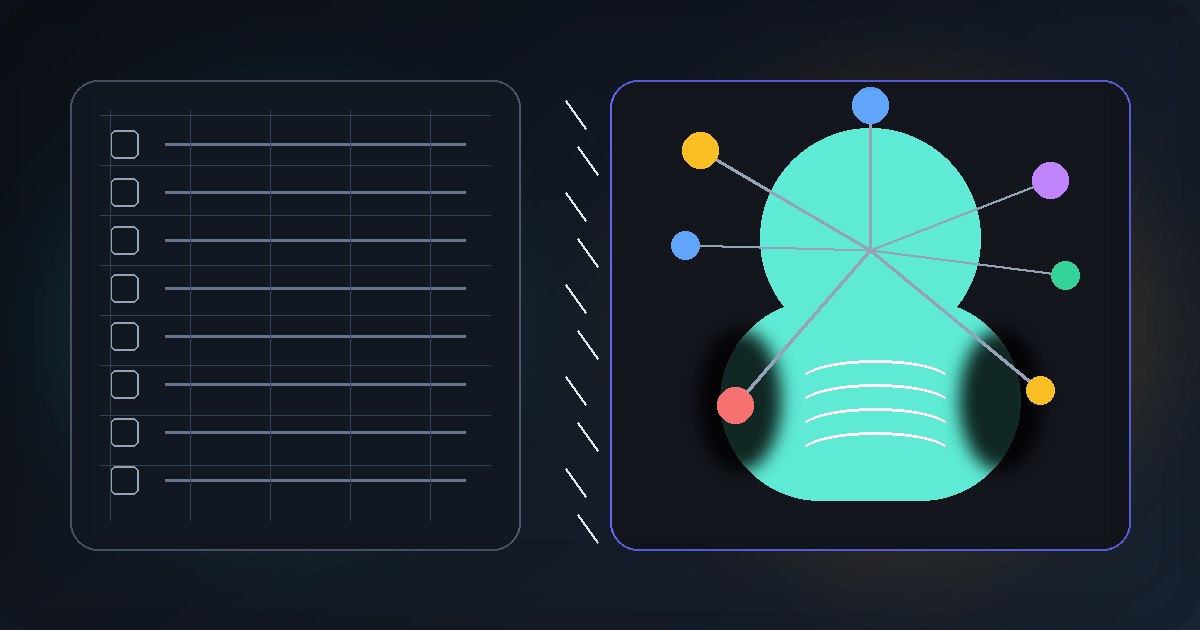
A new JAMA Psychiatry paper put a spotlight on something we were saying in the early days of Supportiv: most mental health intake forms are too shallow.
The paper looked at how people interpret the PHQ instructions and found that many respondents were not answering the way the questionnaire intended. That is worth paying attention to. But my takeaway is broader than one instrument or one paper. The real problem is that too many systems try to understand a person by forcing them into a checklist before they have even had a chance to describe what is actually going on.
The problem is not just scoring. It is framing.
Checkbox forms are clean, fast, and easy to standardize. They are also blunt.
They ask for symptoms in isolation. They strip out context. They flatten language. Then, very quickly, they slap a label on someone and act as if the intake captured something meaningful. Often it did not.
If someone is not sleeping, what does that mean? Are they depressed? Are they a new parent? Are they grieving? Are they in pain? Are they working two jobs? Are they terrified about money? Are they in a marriage that is quietly collapsing? The form does not know. Usually it cannot know.
That is why I have always been skeptical of intake systems that start with batteries of rigid questions and treat the answers as the deepest truth in the room. Structured data has value. But if structure comes too early, it can distort the person before it helps them.
Why we started Supportiv with one question
When I founded Supportiv, I wanted to begin in the opposite place. Not with a narrow form. Not with a premature category. Not with a clinical-feeling gate that made people translate themselves into preapproved language.
We started with one question: What’s your struggle?
That was not an accident. It was the product philosophy.
People do not experience emotional pain as a neat symptom inventory. They experience it as a messy inner narrative. They come in with contradictions, unfinished thoughts, shame, slang, confusion, and context. Sometimes the most important thing is not the symptom itself. It is the story around it. What happened. What they are afraid of. What they cannot say in normal life. What they would never select from a dropdown.
That one open question gave us signal that checkbox flows routinely miss. It told us how people saw their own struggle. It revealed urgency, identity, social context, and the exact language they used in their head. That is what let us route them more intelligently and more humanely. I wrote more about that design philosophy in 8 years of lessons from building Supportiv.
This does not mean every questionnaire is useless
To be clear, I am not arguing that the PHQ should be thrown out. In fact, Kurt Kroenke, one of the developers behind the PHQ-9, published a response in JAMA Psychiatry on April 8, 2026 arguing that the new study overstates its conclusions. That is a fair challenge, and the debate matters.
But even if you take the conservative view, the product lesson still stands: the first layer of mental health intake should not be optimized only for standardization. It should be optimized for understanding.
Forms can help with triage. Forms can help with documentation. Forms can help with research. But forms are a terrible place to pretend you have fully learned who someone is. The system should listen first, then structure. Not the other way around.
What good intake should do instead
A better mental health intake flow starts with open expression and only then applies structure. Let the person speak in their own words. Extract signal from narrative. Ask follow-ups that respond to what was actually said. Use structured measures as a supporting layer, not as the whole model of the human being.
That approach is harder to build. It is messier. It creates ambiguity. It forces better product design. But it is much closer to how people actually show up when they need help.
This is not just a clinical issue. It is a product issue, a data issue, and a trust issue. If your first interaction with a struggling person makes them feel reduced, you have already started in the wrong place. If you care about product-market fit in health, this is part of it too, which is why I think so much about it in my PMF work with founders.
The strongest systems do not confuse legibility with understanding. They do not rush to label. They create enough space for a real person to appear before the framework closes around them.
That was true when we built Supportiv. It is still true now.
Continue Reading